Source Wide Brim Fisherman Hat for Beach, Travel, and Fishing
Compare 30 wide brim fisherman hat options from Chinese manufacturers. These hats feature 100% cotton or polyester blends, custom logos, and OEM/ODM designs for summer and four-season use. Find suitable styles for outdoor activities and daily wear; compare the available evidence and request quotations based on your requirements.
Key considerations
Products List




Comprehensive Sourcing Guide
Wide Brim Fisherman Hat Sourcing Guide
Sourcing wide brim fisherman hats requires a clear understanding of the specific design variations available in the current market. Buyers must distinguish between traditional bucket styles and those with extended brims designed for enhanced sun protection. The observed product range indicates a strong emphasis on customization, with suppliers offering OEM and ODM services to accommodate unique brand identities. This flexibility allows purchasers to tailor materials, colors, and logos to meet specific seasonal trends or functional requirements.
Procurement teams should also consider the diverse material compositions observed, ranging from 100% cotton to polyester-cotton blends. Each material offers distinct advantages regarding breathability, durability, and cost structure. Cotton provides superior comfort and natural breathability, ideal for summer use, while blends may offer better shape retention and resistance to wrinkling. Understanding these material differences is crucial for selecting the right product for target demographics, whether for casual outdoor activities or professional fishing environments.
Product Scope and Observed Listing Signals
The current market signals indicate a broad scope of wide brim fisherman hats, primarily categorized under household and outdoor industrial uses. Listings frequently highlight features such as sun protection, breathability, and shade provision, which are critical for buyers targeting summer and spring/autumn seasons. The observed product names and descriptions often include terms like "bucket hat" or "fishing hat," suggesting a convergence in design language. Buyers should verify if the specific wide brim variant meets their functional needs for both casual wear and active outdoor pursuits.
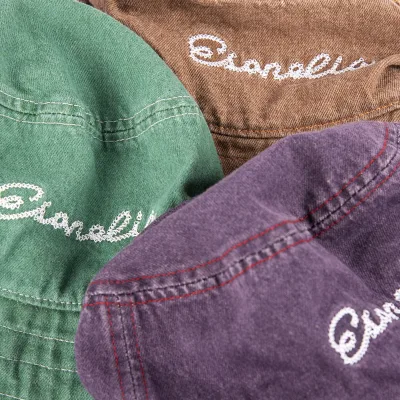
Color options observed range from standard white to colorful and printed patterns, allowing for significant visual customization. Suppliers accept customized colors and logos, with placement options including the brim, front panel, and side panels. This level of personalization supports brand differentiation but requires careful coordination during the design phase. Buyers must ensure that their chosen printing methods, such as embroidery or appliques, align with the fabric type to maintain aesthetic quality and durability throughout the product's lifecycle.
Technical Specifications to Verify
Technical verification begins with confirming the crown and brim construction, as these elements define the hat's structural integrity and protective capability. Observed specifications include models with and without crowns, indicating variations in fit and style that must be matched to user preferences. The brim width is a critical dimension for wide brim hats, directly impacting the area of shade provided. Buyers should request detailed technical drawings or samples to verify that the brim extends sufficiently to protect the face and neck from direct sunlight during extended outdoor exposure.
Size specifications vary, with some listings offering custom-made sizes and others providing standard ranges like 56-60cm. It is essential to confirm the exact circumference and fit type to ensure comfort for the target adult demographic. Additionally, the single gross weight and package dimensions, such as 10x10x5cm, influence logistics and storage costs. Buyers must verify these metrics to accurately calculate landed costs and optimize warehouse space, ensuring that the packaging method, whether OPP bags or plastic trays, protects the product during transit without adding unnecessary bulk.
Compliance and Safety Documentation
Compliance requirements for wide brim fisherman hats often involve adherence to general product safety standards, particularly regarding textile safety. Buyers should verify that the materials used, such as cotton or polyester blends, meet relevant chemical safety regulations for consumer goods. This includes checking for restrictions on harmful substances like azo dyes or formaldehyde, which can be present in fabrics and printing inks. Ensuring compliance with these standards is vital to avoid regulatory hurdles in target markets and to protect end-users from potential health risks associated with prolonged skin contact.
Documentation should also cover labeling requirements, including care instructions and material composition labels. The observed packing methods, such as tag and plastic tray combinations, must include accurate and legible labels that comply with local labeling laws. Buyers must ensure that the supplier provides clear information on the country of origin, which is listed as China in many observations, and any necessary certifications related to manufacturing processes. Proper documentation facilitates smoother customs clearance and builds consumer trust through transparent product information.
Cost Drivers and Commercial Terms
Cost drivers for wide brim fisherman hats include material selection, customization complexity, and order volume. The observed MOQ ranges from 2 to 2500 pieces, with some listings specifying 500 pieces as a standard threshold. Higher customization levels, such as unique logos or specific color matches, typically increase production costs and may require higher MOQs to justify setup expenses. Buyers should negotiate terms that balance customization needs with cost efficiency, considering the trade-offs between lower MOQs and higher per-unit prices.
Commercial terms also encompass payment structures and lead times, which can vary based on supplier capacity and order complexity. The observed price range of 0.35 to 5.9 USD reflects significant variation based on material quality and design intricacy. Buyers must clarify whether prices include packaging, labeling, and shipping costs to avoid hidden expenses. Establishing clear commercial terms early in the sourcing process helps in budgeting accurately and ensures that both parties have aligned expectations regarding delivery schedules and quality benchmarks.
Supplier Qualification and Quality Control
Supplier qualification involves assessing the manufacturer's capability to deliver consistent quality across large orders. Buyers should verify the supplier's business type, with many listing themselves as manufacturers, which can offer advantages in cost control and direct communication. Quality control processes should include pre-production sample approvals and in-line inspections to catch defects early. The observed decoration methods, such as embroidery and appliques, require specific quality checks to ensure durability and aesthetic consistency, as these elements are prone to wear and tear if not properly executed.
Quality control also extends to material verification and final product inspection. Buyers should request material test reports to confirm the composition of fabrics and the safety of dyes. Final inspections should check for stitching integrity, brim symmetry, and logo placement accuracy. Establishing a robust quality control protocol with the supplier ensures that the wide brim fisherman hats meet the specified standards and reduces the risk of receiving defective goods. Regular communication and clear quality expectations are key to maintaining high standards throughout the production process.
Long-Term Procurement Checks
Long-term procurement success depends on continuous monitoring of supplier performance and market trends. Buyers should regularly review supplier adherence to quality standards, delivery timelines, and responsiveness to issues. Building a strong relationship with reliable suppliers can lead to better pricing, priority production, and improved service levels over time. Additionally, staying informed about changes in material availability and regulatory requirements helps in adapting sourcing strategies to maintain compliance and cost efficiency.
Market trend analysis is also crucial for long-term procurement. Observing shifts in consumer preferences for colors, patterns, and functional features allows buyers to adjust their product offerings proactively. The observed variety in designs, from simple white hats to colorful printed ones, indicates a dynamic market. Buyers should leverage this insight to diversify their product portfolio and meet evolving customer demands. Regularly updating procurement strategies based on market feedback and supplier performance ensures sustained competitiveness and profitability in the wide brim fisherman hat segment.
FAQs
Can I customize the size and color of the fishing hat?
Yes, you can request custom made sizes and custom colors for this product. The available options include specific measurements like 56-60cm or tailored dimensions, along with various color choices such as white or colourful designs to match your brand requirements.
What is the minimum order quantity for these hats?
The standard minimum order quantity is 500 pieces for this specific model. However, observed listings show a broader range from 2 to 2500 units depending on the supplier and specific product configuration, so you should verify the exact MOQ with your chosen vendor.
Which materials are used to make these wide brim hats?
These hats are primarily constructed from 100% cotton or a polyester cotton blend. This material selection ensures breathability and sun protection, making them suitable for summer, spring, and autumn outdoor activities while maintaining comfort for adult users.
How can I add my logo to the fishing hat?
You can add a customized logo to the brim, front panel, or side panels of the hat. The manufacturer accepts customer designs and offers decoration methods like embroidery or appliques, allowing for personalized branding on the final product for your business needs.
What is the packaging method for the single item?
The single item is packed using a tag, plastic tray, laser label, and single plastic bag. Some models may also use an OPP bag for packaging. This ensures the product remains protected during shipping and storage before reaching the final customer.
Can the manufacturer accept OEM and ODM designs?
Yes, the business type is a manufacturer that welcomes OEM and ODM designs. They accept customer designs and offer customization services, allowing you to create unique products that meet your specific market demands and design specifications without needing to start from scratch.
Where is the origin of these fishing hats located?
The product origin is China. This location is the primary source for the manufacturing of these wide brim fisherman hats, ensuring access to established supply chains and production capabilities for bulk orders and customized requests from international buyers.